SUMMARYMilitary strikes on cloud and AI data centers have intensified during the 2026 Iran war and Russia’s invasion of Ukraine, with Amazon facilities hit in the Middle East and Russian and Ukrainian drone attacks damaging data centers. A discussion with Joseph Jarnecki of the Royal United Services Institute examined how militaries’ use of public cloud infrastructure can turn civilian data centers into targets and why low-cost drones can cause outsized economic damage and service disruptions.
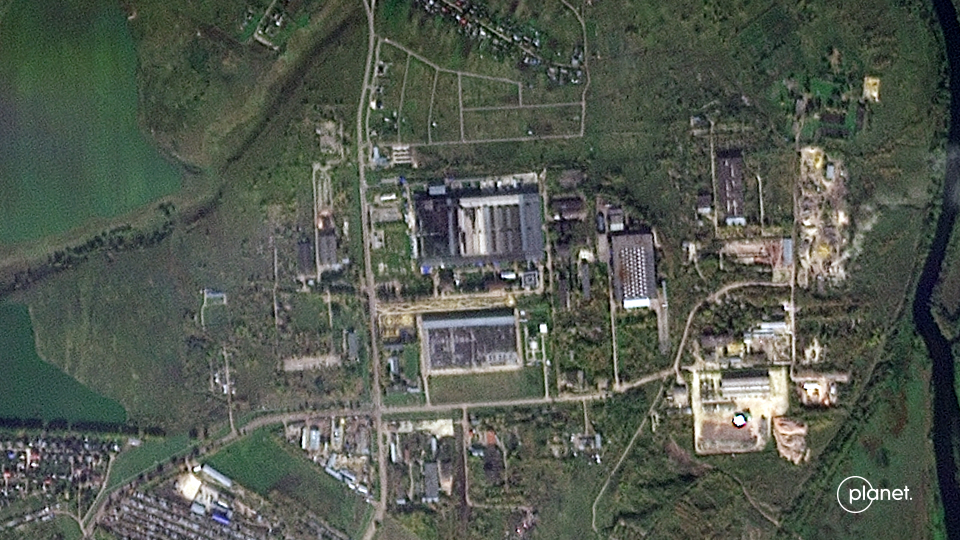
Drone attacks on data centers.
Amazon data centers came under military attack for the first time ever in the Middle East this year, and Russia and Ukraine exchanged an unprecedented flurry of drone strikes on each other’s data centers. To examine what such attacks on data centers mean for the future of cloud services that all modern societies depend upon, Ars hosted a live discussion.
In a conversation with Ars Technica Tech Reporter Jeremy Hsu, Joseph Jarnecki at the Royal United Services Institute first talked about why public cloud data centers have increasingly become military targets during the 2026 Iran war and the ongoing full-scale Russian invasion of Ukraine:
We see an increasing acknowledgement and fact of dual use in particularly the public cloud, but also just across the board in private cloud data centers as well. The dual use that I refer to is the utilization of compute functions within these data centers—within cloud services—by militaries, for example, to run battlefield management systems, to do their HR, to do their resource management. Once a military uses a piece of civilian infrastructure, at least under international law or in terms of the principles of targeting that are taken forward by militaries, it can sometimes become a military object and is therefore of interest to an adversary, and there's an incentive to target it.
Jarnecki also highlighted the fact that relatively cheap kamikaze drones can inflict disproportionate economic costs and create widespread cloud disruptions when striking data centers: