SUMMARYTwo of NASA’s four active Mars missions have paused science operations after separate technical problems affected Perseverance and the Odyssey orbiter. Perseverance is in its sixth year on Mars and is studying an ancient crater rim after collecting samples for eventual return to Earth, while Odyssey, launched in 2001, remains the longest-lived Mars mission in history. The rover’s issue involves its communications system and its redundant UHF radios.
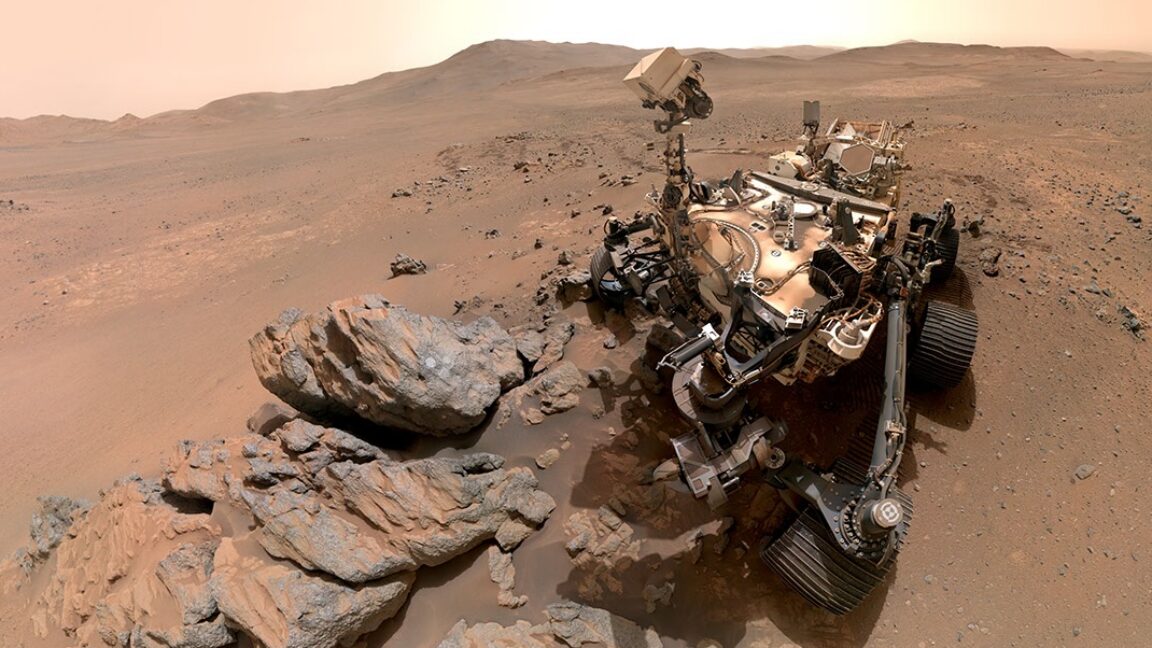
Two of NASA's four missions operating at Mars have suspended science operations after encountering separate technical issues in recent weeks.
The missions affected by the outages—hopefully temporary—are NASA's Perseverance rover and Odyssey orbiter. Both are operating beyond their original design lifetimes. Perseverance is in its sixth year exploring the surface of Mars, having collected rock and soil samples for eventual return to Earth. The rover is now studying the rim of a crater that once contained an ancient lake of liquid water. Odyssey arrived in orbit around Mars in 2001 and is the longest-lived Mars mission in history.
Losing its voice
The problem on Perseverance stems from the rover's communications system. The rover has two redundant UHF radios for high-rate communications with a fleet of orbiters that relay data to Earth. A separate X-band system is available for direct-to-Earth communications at a lower data rate.