SUMMARYMeta said it is rethinking its 2030 net-zero emissions target as demand for AI infrastructure has driven a sharp rise in greenhouse gas emissions from its data centers. In its 2026 sustainability report, the company said its operating environment has changed and that it is re-evaluating timelines, sequencing, and interim milestones, including near-term intensity targets. The update comes as Meta expands AI data center construction, including its $10 billion El Paso facility.
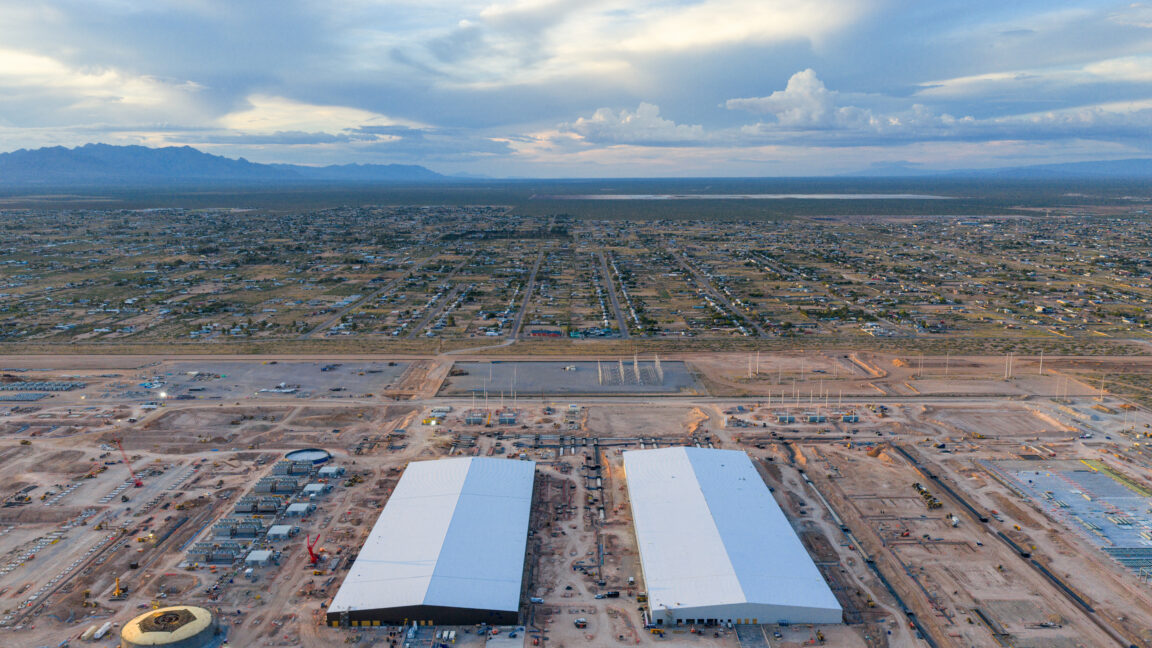
Meta’s executives are rethinking the company’s original goal of achieving net-zero emissions by 2030. That revelation in Meta’s latest sustainability report comes as the company reported a record percentage increase in greenhouse gas emissions that exceeds any other Big Tech competitor racing to build new AI data centers.
The company’s 2026 sustainability report claims that “our long-term ambitions haven’t changed, but our operating environment has,” according to an introduction from Rachel Peterson, vice president of data centers at Meta, and Blair Swedeen, global head of net zero and sustainability at Meta. In the November 19, 2026, report, they attributed the changing conditions and the need for a rethink to how “demand for AI infrastructure has grown faster than almost anyone projected.”
“We are re-evaluating our timelines, sequencing, and interim milestones—including the 2030 timeframe for our net zero emissions goal and our near-term intensity targets—so our approach reflects current operating realities while keeping progress transparent year over year,” Peterson and Swedeen wrote in the report.