SUMMARYGeoscientists Nicolas Flament and Santosh Dhungana proposed in Nature that slow movements in Earth’s mantle helped create the Great Unconformity, the major gap in the rock record seen in places such as the Grand Canyon. Their models suggest mantle-driven uplift exposed continents to erosion by glaciers before the land sank again and was buried by new sediments. The feature is widespread across North America and parts of Europe and China, with the oldest overlying sediments dating to between 635 and 482 million years ago.
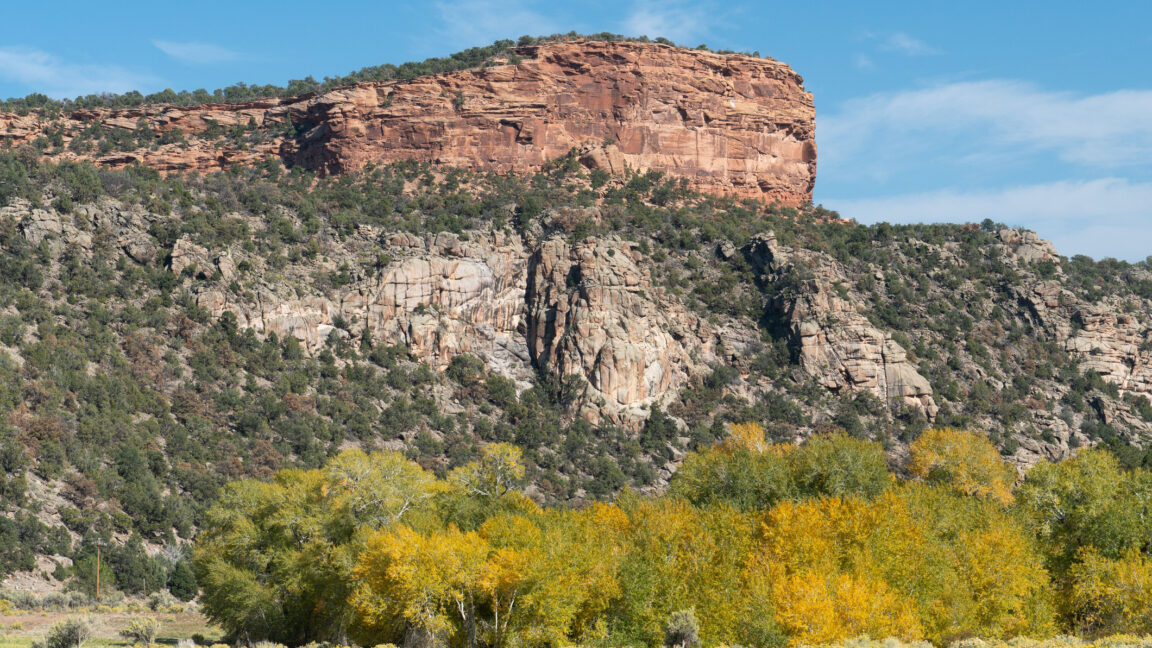
In the Grand Canyon, there is a line in the rock where time seems to have gone missing. Ancient crystalline rocks mark its bottom, while sandstones laid down as life started to diversify during the Cambrian explosion mark the top. “It’s called the Great Unconformity, and it’s a gap in the geologic record,” says Nicolas Flament, a geoscientist at the University of Wollongong, Australia. "This gap can be anywhere between 200 million years, which is not that impressive, to more than a billion years.”
In a recent Nature study, Flament and his colleague Santosh Dhungana argue that this gap was carved with help from deep within the planet. According to their models, slow currents of hot rock in Earth's mantle pushed entire continents up for hundreds of millions of years, letting glaciers grind them down and then let them sink, allowing fresh sediments to bury the scar. The largest hole in the rock record might be a fingerprint of processes happening deep in the planet's interior.
Ice and sea
The oldest sediments resting on the Great Unconformity in North America are between 635 and 482 million years old. Geologists have traced it across most of North America and parts of northern Europe and northern China. “Something seems to have happened, in particular in North America,” Flament says.