SUMMARYThe United Nations Environment Programme said global warming is no longer likely to stay below 1.5 degrees Celsius above pre-industrial levels. It shifted its focus to limiting how long temperatures exceed that threshold and by how much, while calling for steep emissions cuts and large-scale carbon dioxide removal before the end of the century. Current temperature records and the strong El Niño event suggest the world has already reached or surpassed the limit.
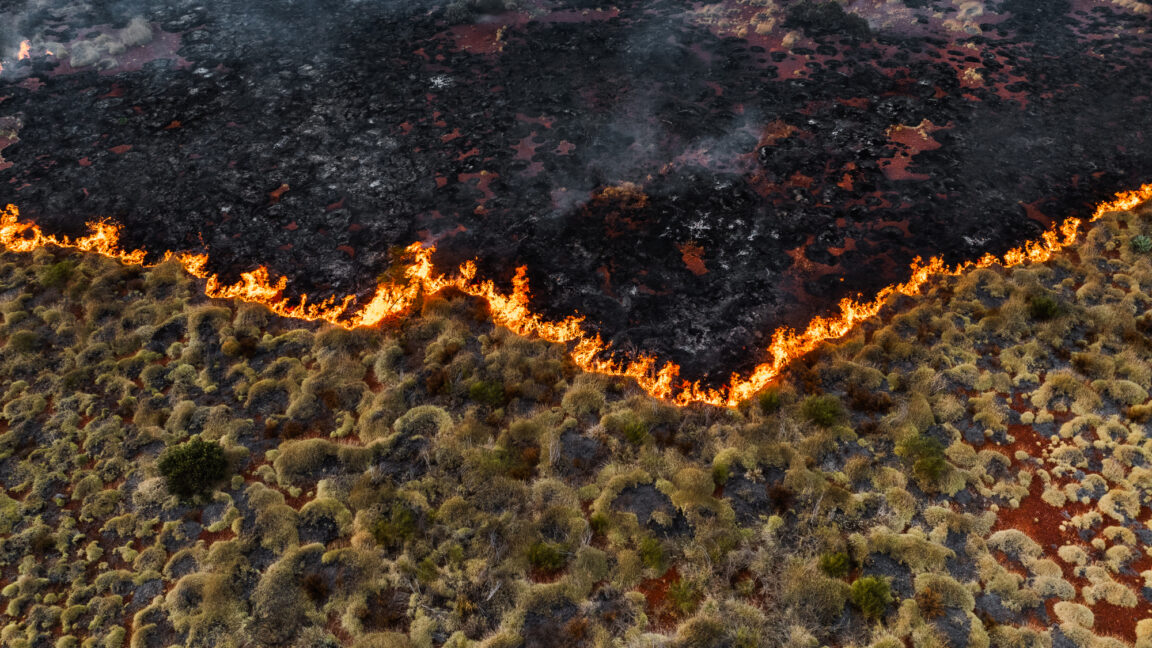
In 2015, all but two countries agreed to make an effort to keep global temperatures from reaching 1.5° C above pre-industrial readings. Since then, most of the world has largely treated what they signed on to as aspirational, and one of the largest emitters (the US) has alternately withdrawn and recommitted to the agreement. Meanwhile, the planet has responded as expected to steadily rising carbon emissions and appears to be practically at the 1.5° limit.
On Wednesday, for the first time, the United Nations Environmental Programme (UNEP) acknowledged that reality, and conceded that the goal of keeping warming below 1.5° was no longer a viable one. Instead, its new goalposts focus on keeping both how long we exceed that limit and how much we exceed it by, at a minimum. Doing that will require both dramatic emissions cuts now and the removal of hundreds of gigatonnes of carbon dioxide from the atmosphere before the century is out.
Bowing to the inevitable
Depending on which baseline you use to establish pre-industrial temperatures, as well as which reconstruction of global temperatures you rely on, the world has either gotten very close to, or already exceeded the 1.5° milestone. The current El Niño event, which appears exceptionally strong, will almost certainly mean that we've gone over it no matter which records you choose.