SUMMARYRocket Lab said its Neutron launch vehicle will not fly until 2027 after discovering a manufacturing problem with the rocket’s carbon-composite structures. The reusable first stage uses lightweight composite materials, but the company is still struggling to produce the large booster stage for the planned launch system.
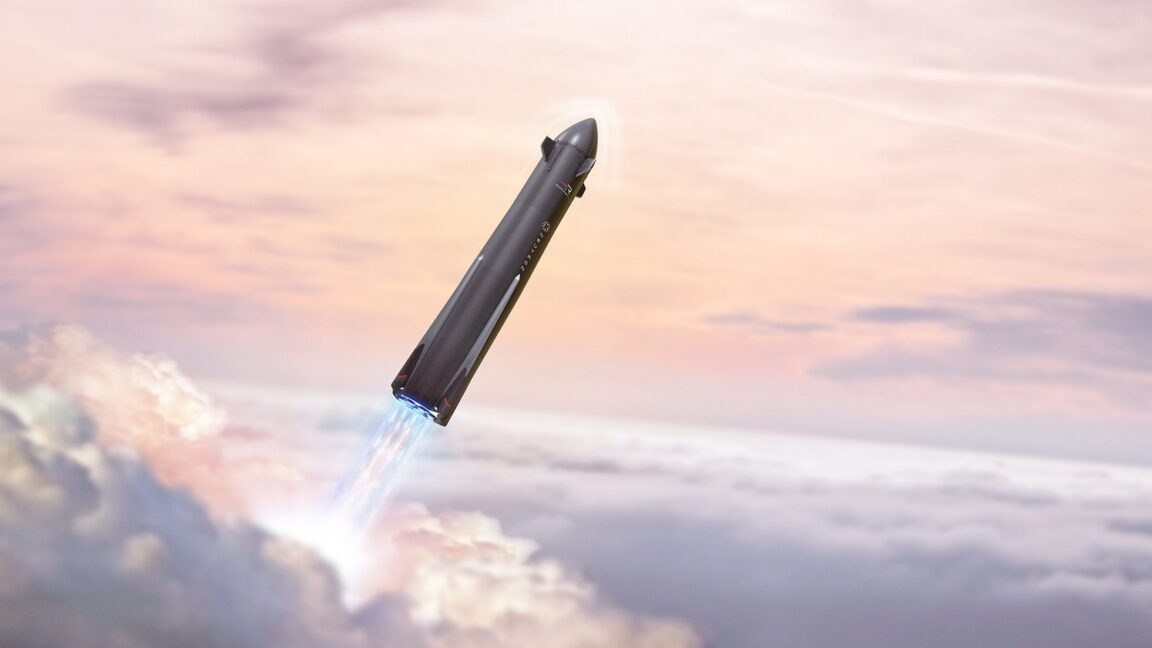
Rocket Lab announced Wednesday that its Neutron launch vehicle won't fly until 2027, citing an issue discovered during manufacturing of the rocket's carbon composite structures.
The announcement was public confirmation of what nearly everyone inside Rocket Lab and the wider space industry already knew. The most recent official update from Rocket Lab in August suggested the company still held hope of delivering the first Neutron rocket to its launch pad at Wallops Island, Virginia, before the end of this year, a schedule that would have almost certainly pushed the first flight into 2027.
But Rocket Lab's statement Wednesday about Neutron's schedule suggests the company is still struggling with manufacturing the rocket's large booster stage. Neutron's reusable first stage is made of carbon composite structures, which offer low weight, high strength, and corrosion resistance. But carbon composites in aerospace are generally harder to manufacture than metallic structures.