SUMMARYThe Nobel Prize in Chemistry was awarded to Henri Kagan and Kenso Soai for discoveries showing that chemical reactions can be biased toward one mirror-image form of a molecule. Their work helps explain how life could have emerged from mixtures of left- and right-handed chemicals and has important implications for chemistry and origin-of-life research.
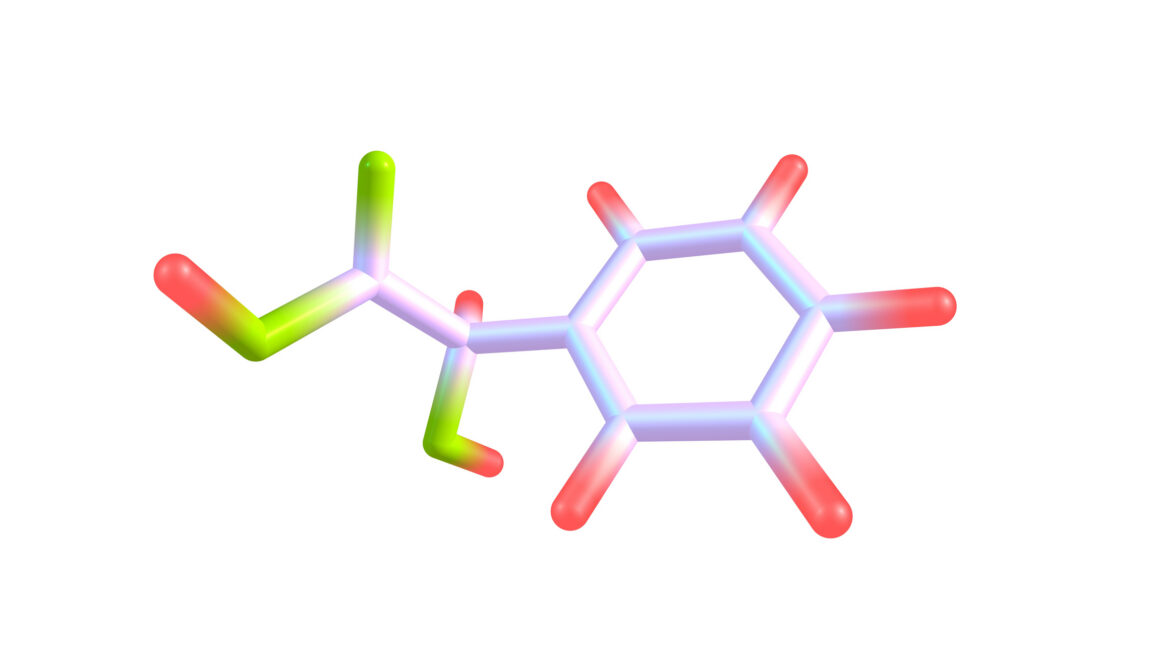
Life is remarkably selective. Life relies on many molecules with what is termed "handedness"—they're chemically identical but are mirror images of each other. Most chemical reactions will make a 50-50 mix of the left- and right-handed forms of a chemical, but life uses only one of them. In fact, because of the differences between left- and right-handed chemicals, most of the key enzymes used by organisms will fail to work if they're presented with chemicals that have the wrong handedness.
That poses a bit of a challenge for origin-of-life research, as we're forced to explain how a world that may have started with an even mix of left- and right-handed chemicals produced organisms that only used one of them.
Today's Nobel Prize in Chemistry goes to two individuals, Henri Kagan and Kenso Soai, who discovered chemical reactions could be biased, producing large excesses of one of the two forms of a chemical.