SUMMARYFrancis Halzen of the University of Wisconsin–Madison won the 2026 Nobel Prize in Physics for his decisive role in the IceCube Neutrino Observatory and the discovery of high-energy neutrinos from astrophysical sources. He helped develop and build the Antarctic detector, which uses sensors beneath the ice to capture neutrino signals from the distant universe. Halzen described the prize as a surprise and credited the achievement to a large collaboration of researchers.
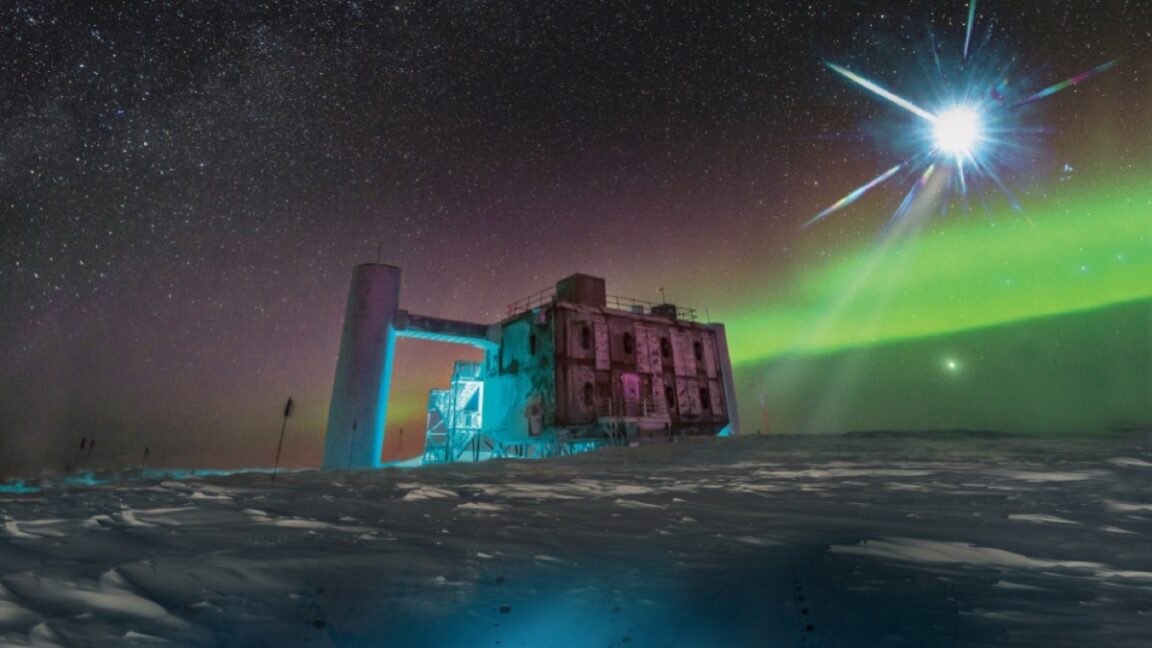
Francis Halzen, a physicist at the University of Wisconsin, Madison, has won the 2026 Nobel Prize in Physics "for decisive contributions to the IceCube Neutrino Observatory and the discovery of high-energy neutrinos of astrophysical origin.” Halzen spearheaded the development and construction of the IceCube Neutrino Observatory in Antarctica, enabling physicists to capture high-energy neutrinos created in the distant universe.
“It was a great surprise, and I obviously didn’t expect it,” Halzen said during a news conference in Stockholm, Sweden, speaking by phone from Italy. And while the Nobel was awarded to Halzen alone, he emphasized that his work was the result of a “large collaboration” with other researchers.
“This reflects on the really courageous people who joined me in this project when really no respectable conservative physicist would have joined me. But many talented people did, and that’s why I’m here,” he said.