SUMMARYTesla’s Optimus humanoid robot program is running into production difficulties as the company struggles with complex robot hands and worker resistance to training systems that could replace them. Tesla has shifted employees at its Fremont, California factory from Model S and Model X production to Optimus development after ending output of those vehicles in May 2026. Elon Musk has made the robot a central bet for Tesla’s future, calling it potentially the company’s biggest product.
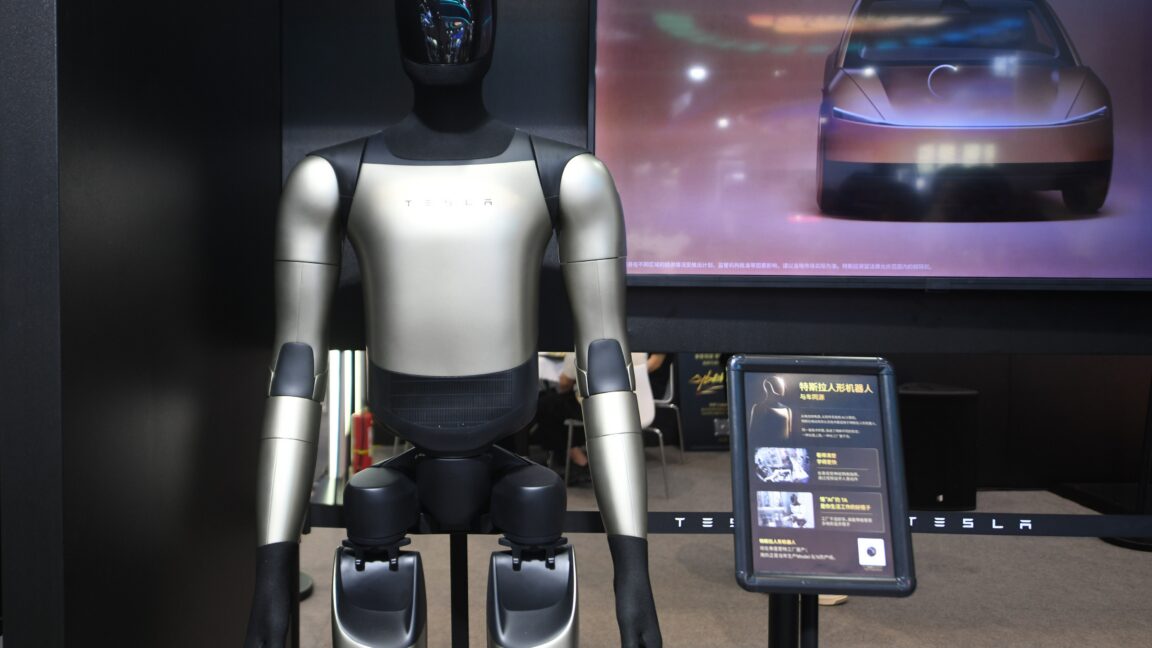
Tesla’s pivot from making electric cars to humanoid robots is facing challenges because of complex robot hands and disgruntled employees pushing back against training their robotic replacements. The struggle to scale up production comes as Tesla CEO Elon Musk has bet the company’s future on AI and robotics.
As someone who frequently makes claims that fail to materialize, Musk has described the Optimus humanoid robot as potentially “the biggest product ever” during Tesla’s second-quarter 2026 earnings call. But he also acknowledged that making an autonomous humanoid robot capable of handling many different tasks is “one of the hardest things to solve”—and now extensive reporting by The Information has revealed multiple complications that Tesla is trying to tackle while developing general-purpose robots and scaling up for mass production.
Tesla’s Fremont factory in California has already stopped making the Model S sedan and Model X SUV as of May 2026, with the company switching both line workers and engineers over to working on Optimus, according to The Information.