SUMMARYNASA announced PRIMA, the first Probe Explorer mission, which is slated for launch in the early 2030s as a new class of space telescope aimed at delivering more science at lower cost. The program is designed to bridge the gap between smaller Explorer missions and billion-dollar flagship observatories such as the $4.3 billion Nancy Grace Roman Space Telescope. NASA studied the concept for years after an independent scientific panel recommended creating this new mission category.
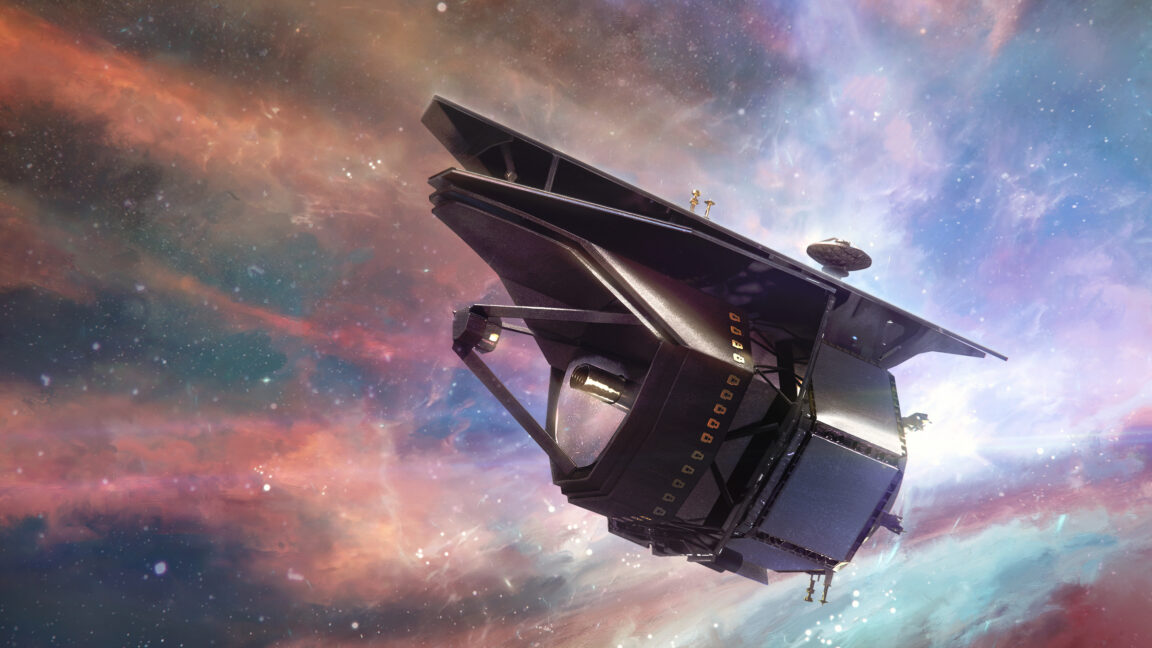
The first in a new class of space telescopes is on track to reach the launch pad in the early 2030s, NASA announced this week.
The PRIMA mission will be the first of NASA's Probe Explorers, a new line of observatories intended to do more science for less money. The agency's space telescopes typically fall into lower-cost "Explorer-class" missions, with cost caps in the range of a few hundred million dollars, or flagship observatories like the recently launched Nancy Grace Roman Space Telescope, which came with a price tag of some $4.3 billion.
With the Probe Explorers, NASA officials seek to find a better balance between the smaller Explorer missions and multibillion-dollar flagships. NASA has studied potential Probe Explorer mission concepts for several years after an independent panel of scientists recommended the new mission category. But it wasn't clear until recently whether NASA's science budget, which is under pressure from the Trump administration, would be sufficient to actually start developing one.