SUMMARYA physicist at the Federal University of ABC in Brazil analyzed the “Picard maneuver” from Star Trek: The Next Generation and found a relativity-related detail that makes the fictional tactic even more impressive. The calculation revisits the Season 1 episode “The Battle,” where Captain Picard charges an enemy ship at warp speed, stops abruptly, and uses the resulting visual effect to avoid incoming fire.
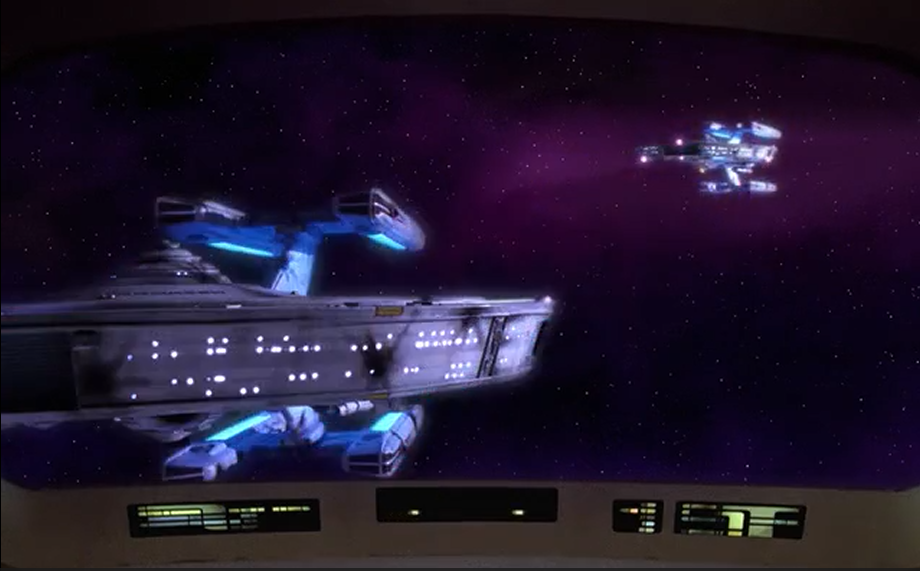
It turns out Jean-Luc Picard was an even better starship helmsman than the writers knew. A physicist has gone through the details of a warp-speed trick from the first season of Star Trek: The Next Generation and found a subtlety the show missed. But instead of a plot hole, the detail he found actually makes the maneuver more impressive… as well as a great opportunity to teach about a lesser-known feature of the theory of relativity.
Níckolas de Aguiar Alves, a physicist at the Federal University of ABC in Brazil, first watched Next Generation as a master’s student. When he got to the episode "The Battle" in the show’s first season, the plot reminded him of his relativity coursework.
In "The Battle," a Ferengi leader reminds Picard of a battle he fought years ago as captain of a ship called the Stargazer. Under fire from a mysterious attacker, Picard’s ship’s shields were down. He had to get closer without taking a hit, so he made a gamble. Picard ordered the Stargazer to charge the enemy ship at warp speed (meaning faster than light), then stop abruptly and fire. By going faster than light, Picard anticipated that the other ship would see two images of the Stargazer: where it reached warp speed and where it stopped. If they fired on the wrong image, they would miss the Stargazer, and Picard could win the battle.