SUMMARYA University of Michigan team reconstructed 1,000 years of ocean surface temperatures by analyzing fossilized Galápagos corals to study El Niño–Southern Oscillation variability. The findings indicate that recent El Niño events are stronger than any time in the last millennium, helping clarify how global warming may be affecting a major driver of Earth’s year-to-year climate shifts.
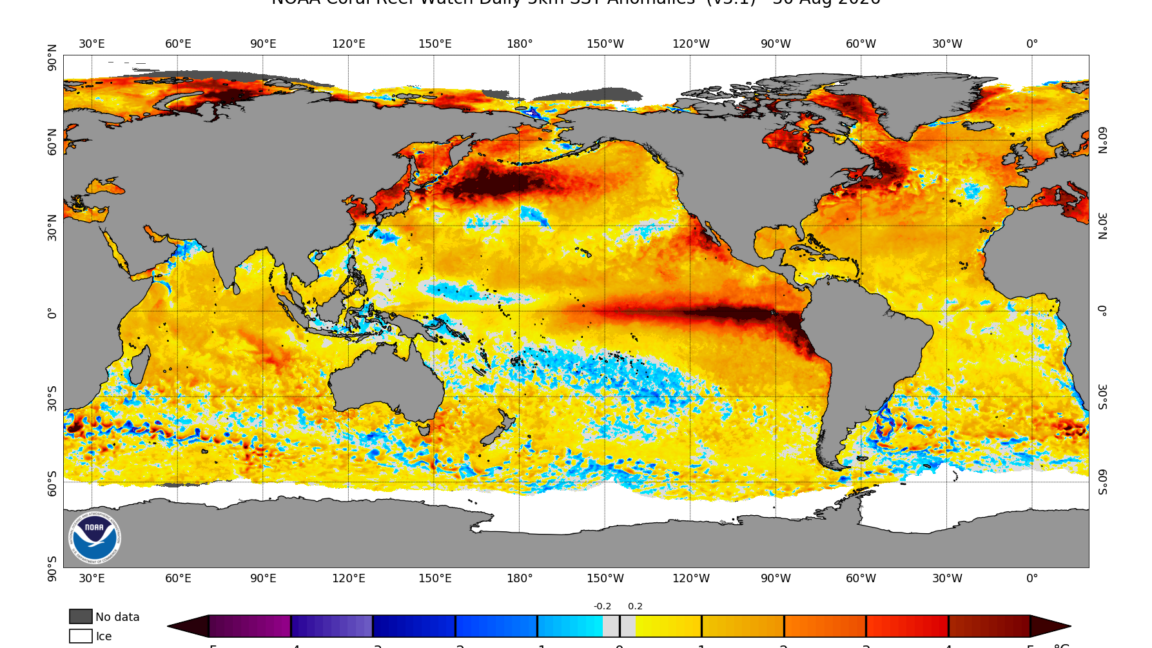
Every few years, El Niño or its cool counterpart, La Niña, shifts rainfall across the tropics, dries out Australia, floods parts of Peru, and rearranges the weather on most of the planet. The two are the warm and cold swings of a single system, the El Niño–Southern Oscillation, or ENSO, and that system is the largest source of year-to-year climate variation on Earth. Its swings sit atop the steadily rising temperatures driven by global warming.
But we didn't know whether global warming was making it stronger. It’s possible that the added energy in the atmosphere and oceans was causing its swings to be more dramatic.
“We've been seeing some very strong El Niño events in the late 20th and early 21st century, and what we didn't know was how unusual those are,” said Julie Cole, an environmental scientist at the University of Michigan. Because models disagree with one another and the instrumental data are too short to separate a trend, Cole’s team reconstructed a thousand-year-long ocean surface temperature record by analyzing fossilized Galápagos corals.