SUMMARYGerman scientists at the Max Planck Institute of Colloids and Interfaces identified how snails tune the mechanical properties of their mucus by combining collagen and calcium. The study in Science focused on grove snails, which produce five distinct mucus types for lubrication, adhesion, skin protection, and winter hibernation. The findings could help develop better biomaterials for drug delivery and wound care.
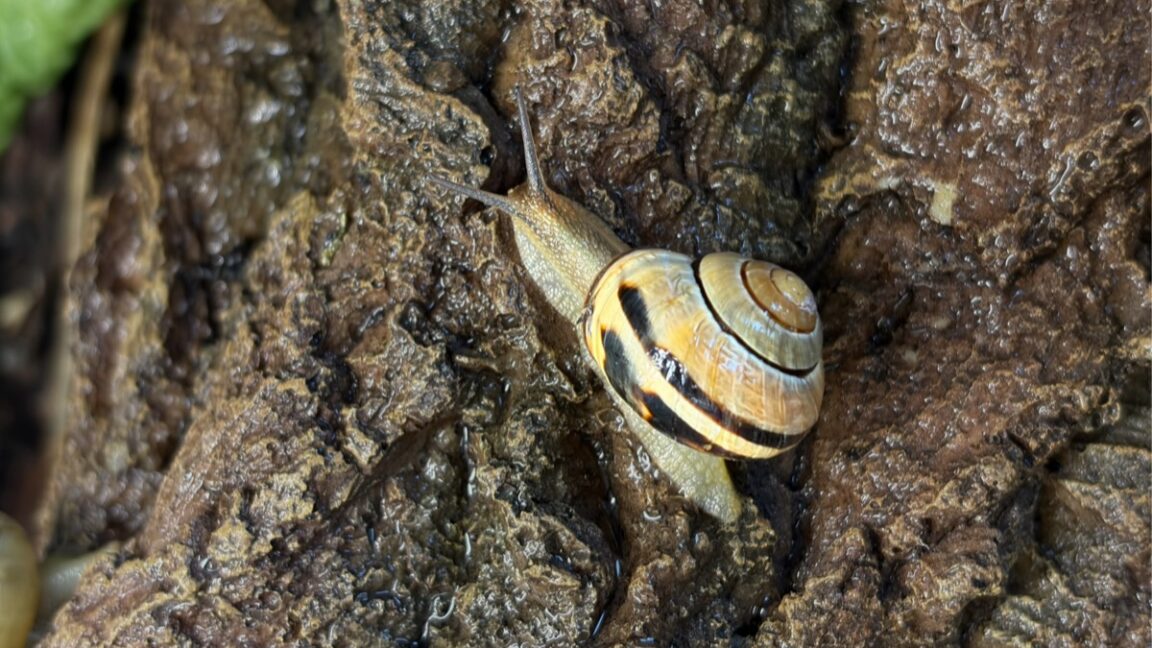
Snails are well-known for their mucus. The slime is highly valued as an anti-inflammatory and anti-aging ingredient in certain skin care products, and snails can secrete different kinds of mucus with properties tailored to specific functions. A team of German scientists has determined a recipe for how snails achieve that so-called tunability: Collagen and calcium work in tandem to achieve the varying mechanical properties, according to a new paper in the journal Science.
Snail mucus is mostly water; it's the mucins (glycoproteins) and complex carbohydrates that give it that slimy, viscous texture. In addition to cosmetics, the mucus holds great potential for drug delivery. In 2020, scientists found that combining snail slime from a common garden snail with gold nanoparticles helped accelerate wound healing and exhibited anti-inflammatory properties in mice. Most relevant to this latest paper is a 2023 study on garden snail slime that identified three distinct types of secreted mucus: a hydrating version to protect its skin, one that acts as an adhesive glue, and a third that serves as a lubricant so the snail can more easily glide across a surface.
The team focused their research efforts on the grove snail/lemon snail (Cepaea nemoralis), which they deemed well-suited as subjects because the snails secrete five different kinds of mucus with distinct functions. As with the garden snails, there is one that acts as a lubricant to help with locomotion and an adhesive mucus to help the snail stick to various surfaces. Then there's a mucus layer known as the epiphragm that the snail secretes when it hibernates in winter, which contains calcite and effectively seals the shell to protect the snail from predators and harsh environmental conditions.