SUMMARYKatalyst Space Technologies launched its nearly half-ton Link satellite on a Northrop Grumman Pegasus XL rocket from a carrier aircraft over the Pacific Ocean. The mission is intended to rendezvous with NASA’s Swift astronomy satellite and raise its orbit before it falls back to Earth. NASA awarded Katalyst the contract last September, and the company built and launched the spacecraft in a little more than nine months.
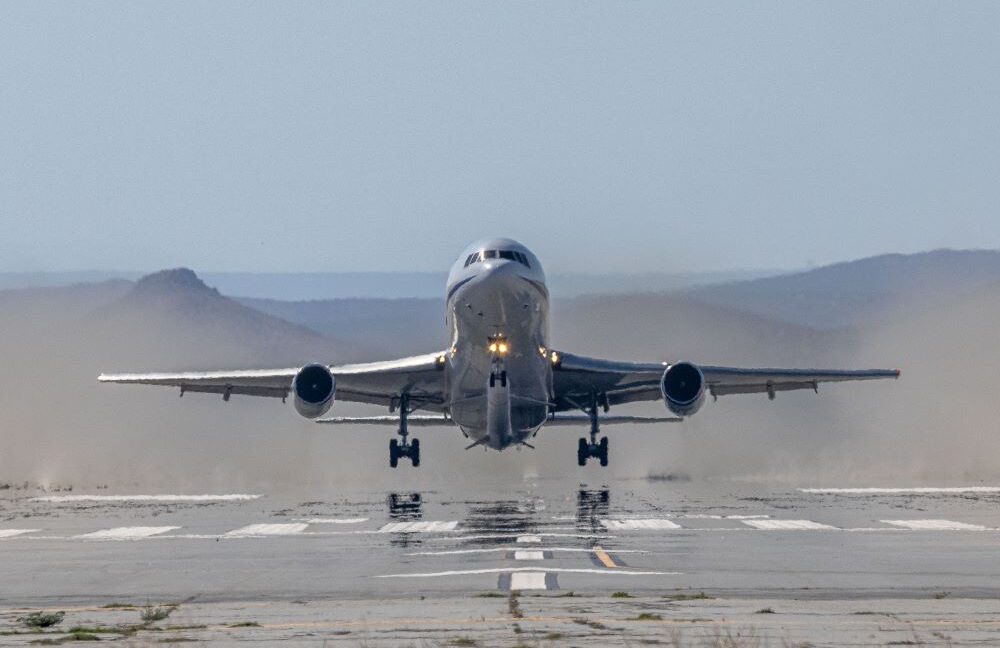
High above the remote Pacific Ocean, about halfway between Hawaii and the northernmost part of Australia, an air-launched rocket fired into space on Independence Day weekend to kick off a weekslong pursuit of a NASA astronomy satellite perilously close to falling out of orbit.
The endeavor to rescue NASA's Swift satellite is the first mission of its kind. NASA put out a call for commercial companies less than a year ago to propose how they could rapidly build and launch a small satellite to latch onto the Swift spacecraft and boost its altitude so that it doesn't come down in a few months.
Katalyst Space Technologies responded with the best offer. NASA awarded the company a contract last September to build and launch a mission to rescue Swift. A little more than nine months later, Katalyst's nearly half-ton Link satellite is safely in orbit. For anyone who follows the space industry, building, testing, and launching a functioning first-of-its-kind satellite of that size in less than a year is a remarkable achievement; it would usually take several years.