SUMMARYThe US government and Colossal Biosciences will sequence the genomes of more than 2,300 endangered plant and animal species and preserve tissue samples to support future conservation work. The effort is tied to the Endangered Species Act and aims to give scientists better genetic resources for protecting at-risk populations and their habitats.
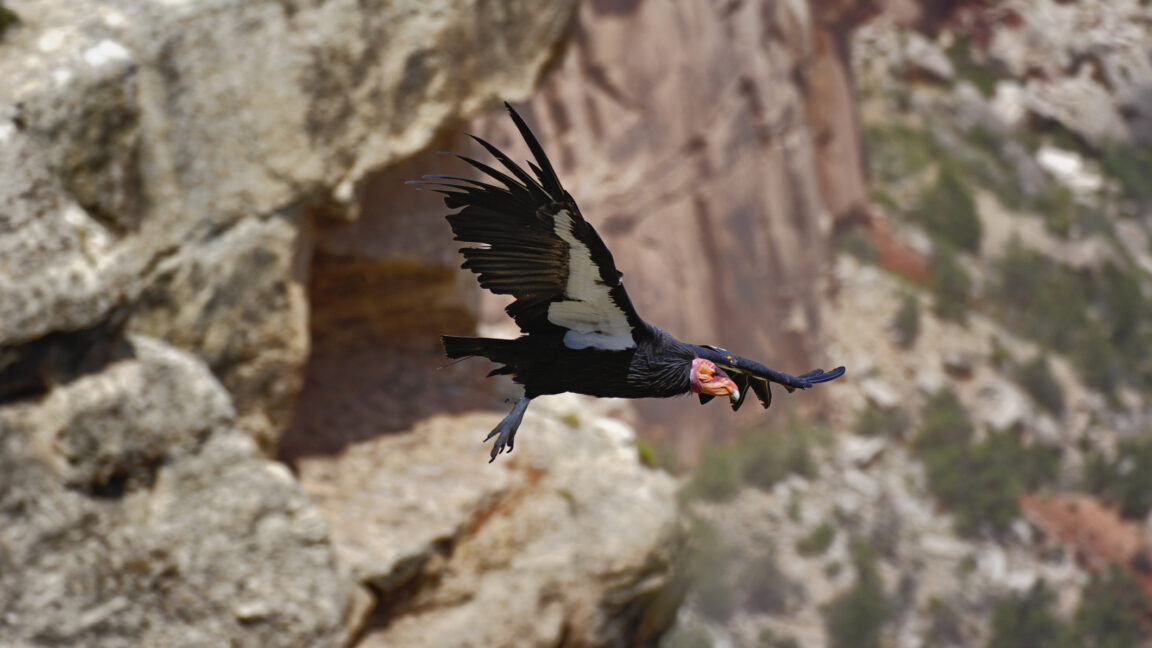
The US Endangered Species Act compels the government to identify species at risk of extinction and devise plans to restore populations and the habitats they depend on. It has seen some spectacular successes, such as the restoration of the bald eagle to much of its original range. But over 2,300 plant and animal populations remain on the list, requiring ongoing government intervention.
On Thursday, it was announced that all of those species would see their genomes sequenced and tissue samples preserved to aid future conservation efforts. The work will be done by a partnership between two unexpected parties. One is the US government, which has generally attempted to undercut the Endangered Species Act as part of its anti-regulatory efforts. It is joined by Colossal Biosciences, a biotech company that has a controversial take on what actually constitutes a species.
Colossal has always said it had a conservation focus, but its headline-grabbing efforts have been directed toward restoring species that have been driven to extinction. It intends to do that by developing a combination of gene editing and reproductive technologies that it expects it can profitably license. But its dire wolf announcement, in which only a tiny handful of genetic changes were edited in to grey wolves, have raised some questions about its seriousness regarding these efforts.