SUMMARYEurope is enduring its second major heat wave of the year, with France setting a national temperature record above 44 degrees Celsius and the United Kingdom facing 36-degree weather, school closures, train delays, and red alerts in several regions. Switzerland and Spain have also issued heat warnings, while power outages and dozens of drownings have added to the disruption. UK officials are pressing for stronger heat resilience as extreme temperatures strain homes, infrastructure, and public safety.
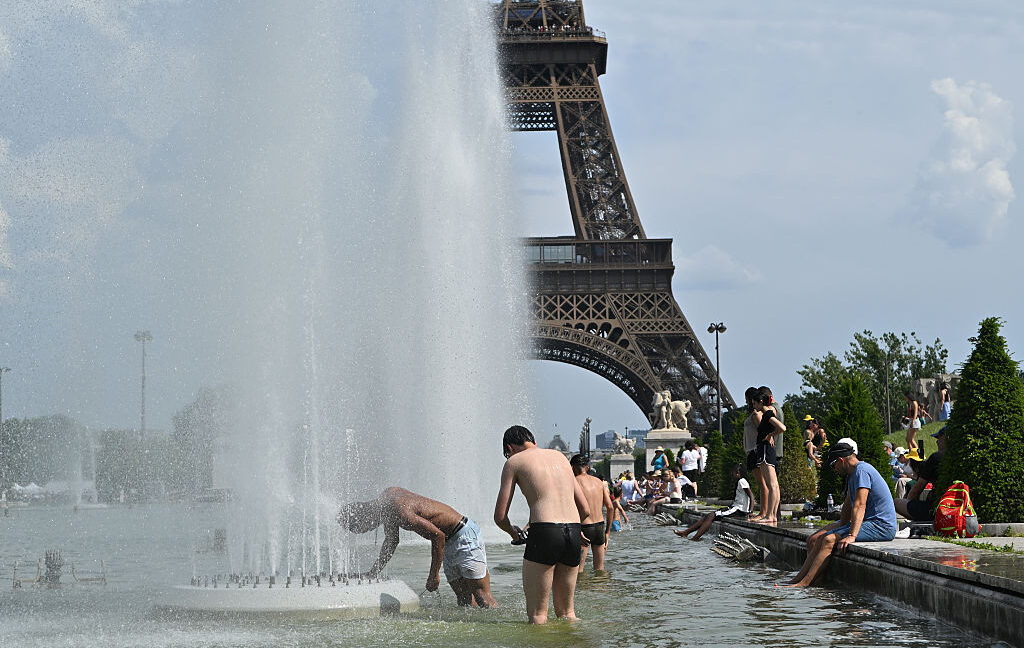
Europe is in the midst of its second big heat wave of the year, and it’s breaking more records. France just recorded its hottest day ever, with temperatures exceeding 44 degrees Celsius in some places. Around 40 people have drowned in local water bodies, likely attempting to escape the heat, and thousands more are without electricity.
As temperatures hit a sweltering 36 degrees in some regions of the United Kingdom, schools canceled classes and train delays abounded. United Nations Secretary-General Antonio Guterres described London as “cooking.” As the city hosts its annual Climate Action Week, the UK meteorological service has issued a red alert for multiple regions, signaling that exceptionally hot and humid weather is forecasted and likely to impact the general public. Switzerland and Spain have also issued warnings to residents.
Emma Howard Boyd, the former chair of the London Climate Resilience Review who now chairs the National Heat Risk Commission in the UK, said that when it comes to heat resilience in the country, the problem is not just homes—which are usually not air-conditioned.