SUMMARYRocket Lab launched a small satellite from New Zealand on Friday for the US Space Force’s Victus Haze mission, a military exercise designed to test rapid response to a crisis in low-Earth orbit. The spacecraft, Victus Haze Puma, was added to the US military’s satellite catalog over the weekend and is in a polar orbit from Rocket Lab’s spaceport at Māhia Peninsula. The launch was carried out with little advance notice and no livestream.
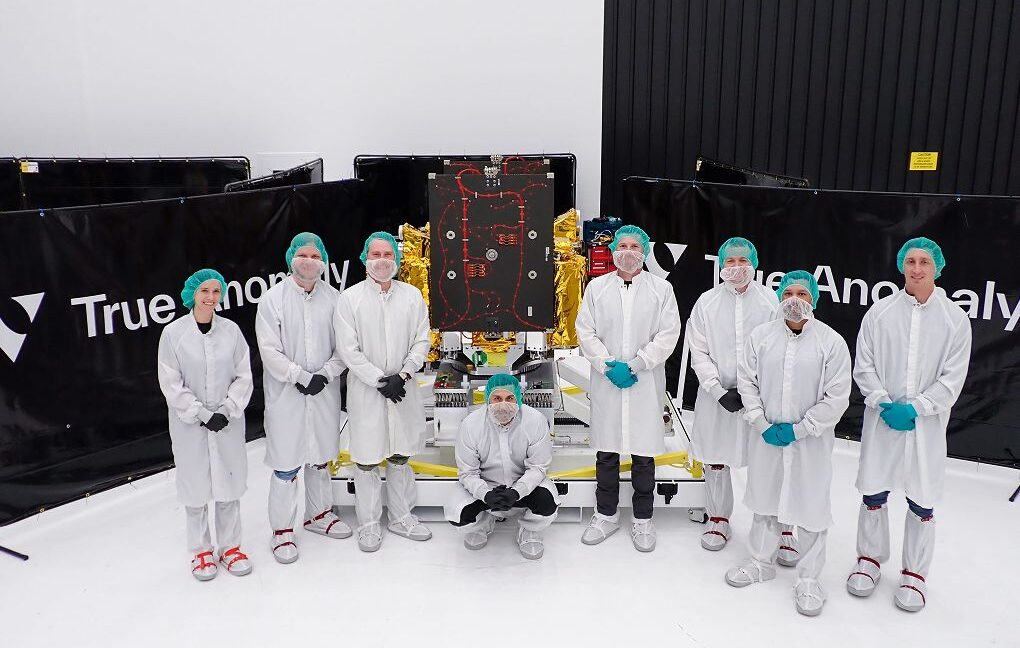
Rocket Lab quietly launched a small satellite from New Zealand on Friday in a high-flying military exercise to test the US Space Force's ability to rapidly respond to a crisis in low-Earth orbit.
The launch was scarcely announced in advance. The only public indication of an impending launch was the release of a warning for pilots and sailors to steer clear of the rocket's flight path. Rocket Lab did not provide a livestream of the launch, as it does for most of its missions. As of Monday morning, officials from Rocket Lab and the Space Force had not acknowledged the launch in any official public statements.
But the US military's catalog of space objects was updated over the weekend to reflect the launch. A new satellite, designated Victus Haze Puma, showed up in the catalog with a launch date of Friday from Rocket Lab's privately run spaceport at Māhia Peninsula in New Zealand. The Space Force cataloged the spacecraft in a polar orbit ranging between 215 miles and 286 miles (347-by-461 km), with an inclination of about 97.5 degrees from the equator.