SUMMARYNASA ended efforts to recover the MAVEN spacecraft after it failed to reestablish contact during a routine Mars occultation on December 6. Mission controllers had tried for months to restore the orbiter’s link with Earth, but officials now plan to decommission the 11-year-old mission. MAVEN had been studying Mars’ upper atmosphere and captured auroral activity on the planet’s nightside in May 2024.
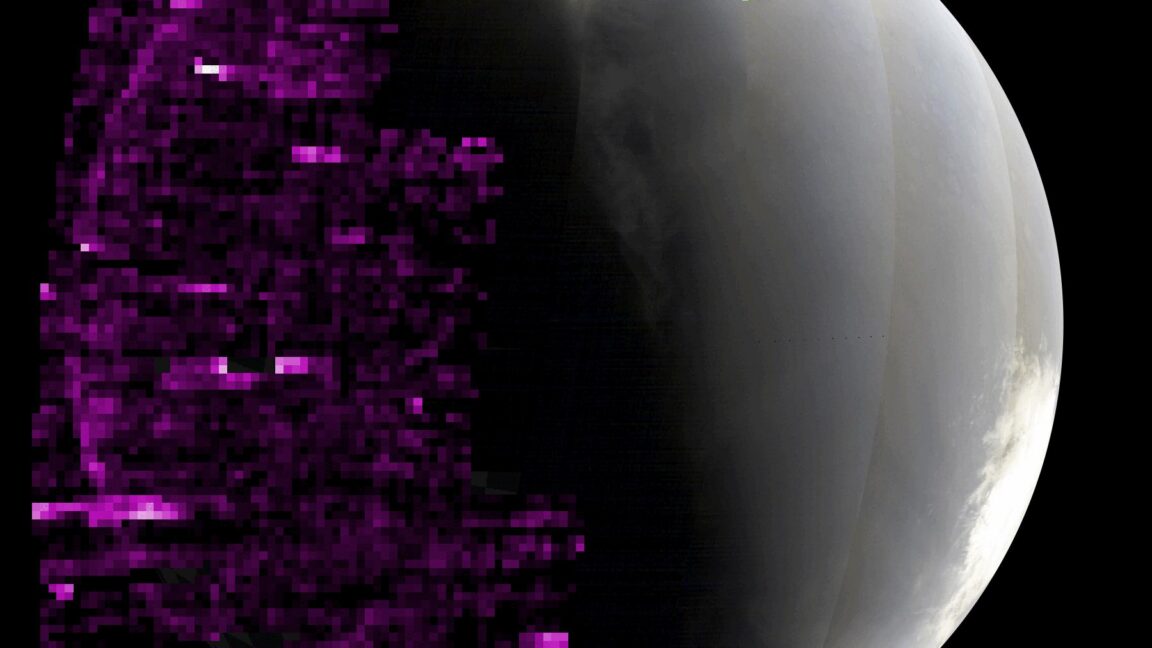
NASA's MAVEN spacecraft was in excellent shape when it disappeared behind Mars on December 6 of last year. The routine passage, called an occultation, was supposed to last less than an hour, but ground teams didn't hear from the spacecraft when it was supposed to regain contact with Earth.
The loss of communication triggered contingency plans for engineers to try to restore a link with MAVEN, which orbits Mars more than 200 million miles from Earth. To no avail, they listened for faint signals and uplinked commands in the blind. Hopes of saving the mission faded over time, and NASA officials announced Wednesday that they're giving up on it.
"NASA has ceased efforts to search for the MAVEN spacecraft and are beginning activities to decommission the mission," said Mike Moreau, MAVEN's project manager at NASA's Goddard Space Flight Center in Maryland.