SUMMARYChina launched the first Long March 12B rocket on Monday from the Jiuquan launch base in northwestern China. The flight strengthened the position of state-owned aerospace programs in the race to field China’s first reusable orbital-class launch vehicle, where multiple companies and government-backed teams are working toward booster landings this year.
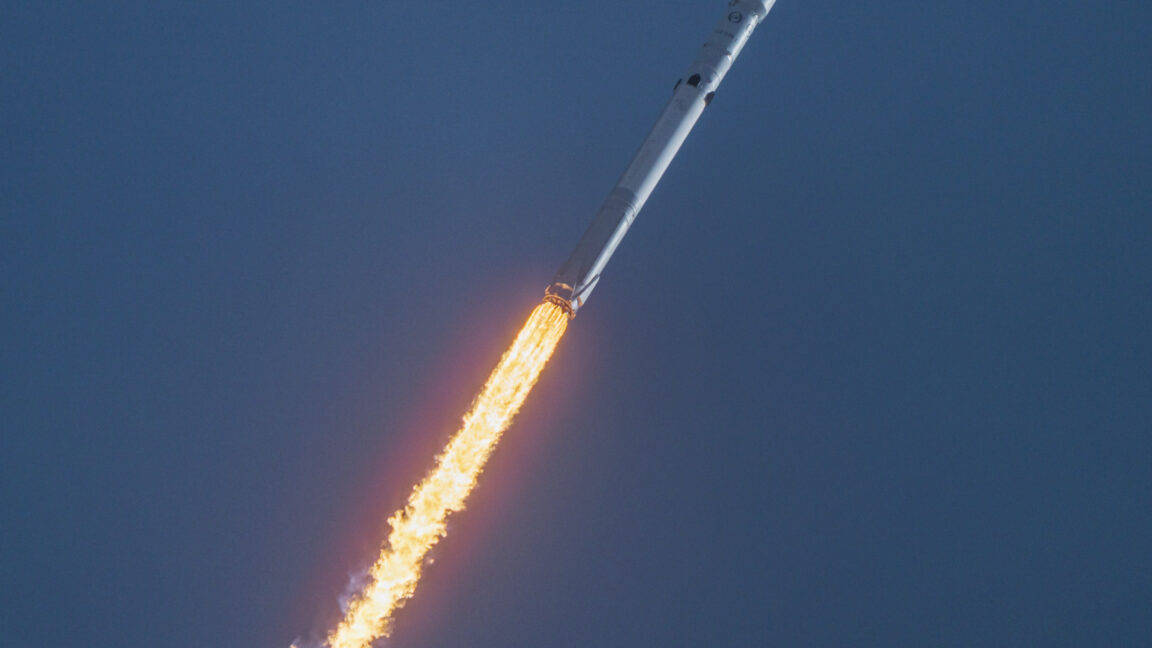
The race to field China's first reusable launch vehicle is far less predictable than a similar competition that played out in the United States a decade ago.
There was never any real question of which company would develop and demonstrate the first reusable orbital-class rocket in the United States. SpaceX landed a Falcon 9 booster for the first time in 2015, and a little more than a year later, it launched it back into space. It took nearly 10 years for anyone else to do the same. Blue Origin celebrated its first orbital-class booster landing last November with the successful recovery of one of its New Glenn boosters, followed by a relaunch of the same rocket in April.
In China, several companies and state-owned enterprises have a realistic shot at landing an orbital-class booster stage this year. For a time, it seemed like China's new crop of privately funded launch companies might have the advantage in accomplishing the first landing of an orbital-class booster. But Monday's launch of China's Long March 12B rocket, backed by the nearly unrestricted resources of the country's vast state-owned aerospace enterprise, suggests the industry's legacy players may now have a leg up.