SUMMARYSpanish archaeologists excavated a cave in the eastern Pyrenees between 2021 and 2023 and found artifacts that suggest the site may have been used for prehistoric copper smelting and occupied more often than previously believed. The findings appeared in Frontiers in Environmental Archaeology and point to a possible ancient mining location high in the mountains.
It’s a regrettable reality that there is never enough time to cover all the interesting scientific stories we come across. So every month, we highlight a handful of the best stories that nearly slipped through the cracks. May's list includes the discovery of a possible prehistoric mining site in the Pyrenees; a new species of tiny blue octopus; why cats seem to prefer silver vine to catnip; and why political polarization might behave like a phase transition, among other noteworthy stories.
Prehistoric mining in the Pyrenees
 Credit:
IPHES-CERCA
Credit:
IPHES-CERCA
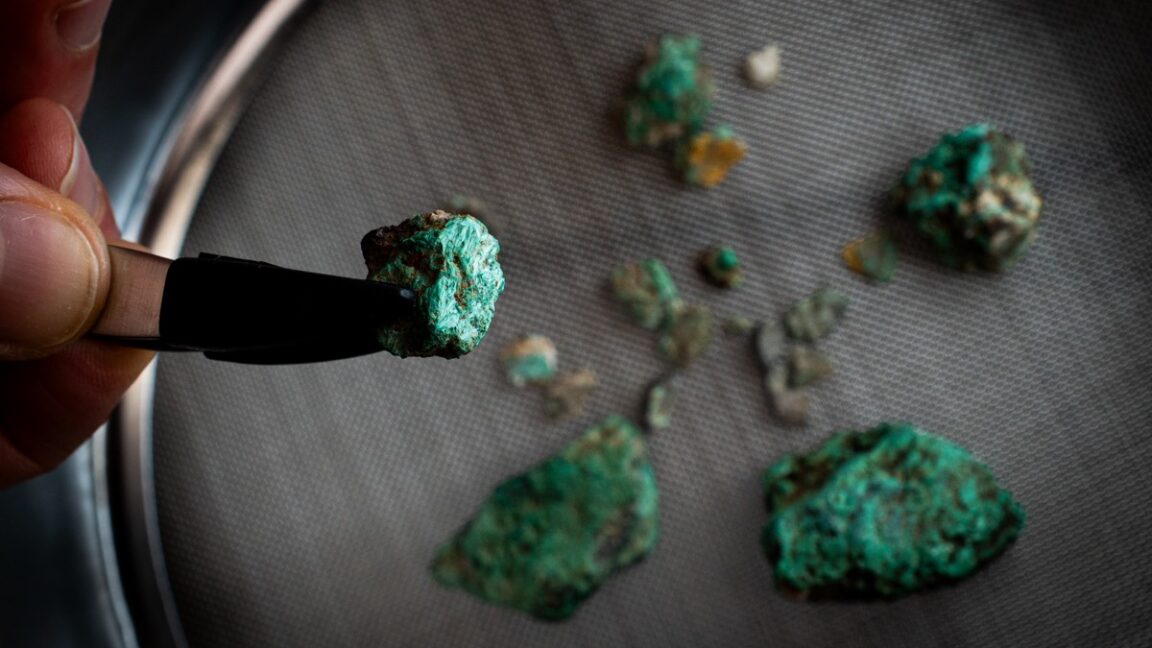
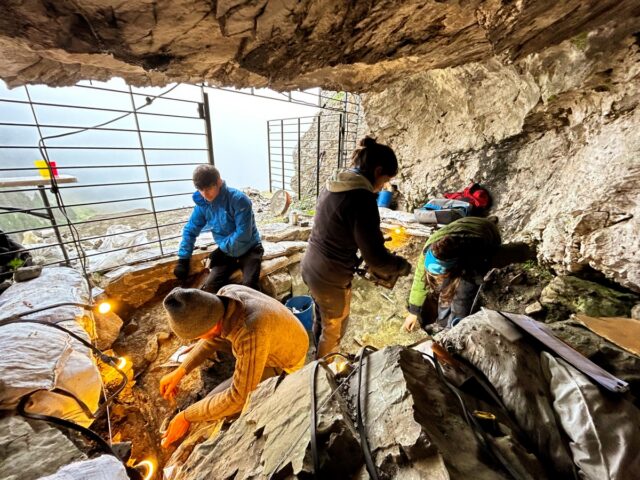
High in the eastern Pyrenees is a prehistoric cave, excavated between 2021 and 2023. Based on analysis of artifacts uncovered at the site, a team of Spanish archaeologists believes this may have served as an ancient copper smelting spot, with far more frequent occupation by humans than previously thought. The researchers described these preliminary findings in a paper published in the journal Frontiers in Environmental Archaeology.